
Cold Season Essentials: Nutrition, Supplements, and Immune Support
As fall settles in and winter approaches, cooler weather often brings more sore throats, coughing, congestion, dry air, and a familiar run-down feeling. While no single product can prevent every illness, supporting your body with good nutrition, hydration, and simple comfort measures can make the colder months easier to manage. We’re highlighting three products which fit into this approach: Barlean’s Immune Support Peppermint Throat Spray for soothing throat comfort, NutriDyn Essential Multi for everyday nutritional support, and Redmond Re-Lyte Immunity for hydration and electrolytes. Throughout this post, we’ll look at practical ways to support yourself through the colder months, along with a few simple grocery store options which offer similar benefits and can easily fit into your everyday routine.
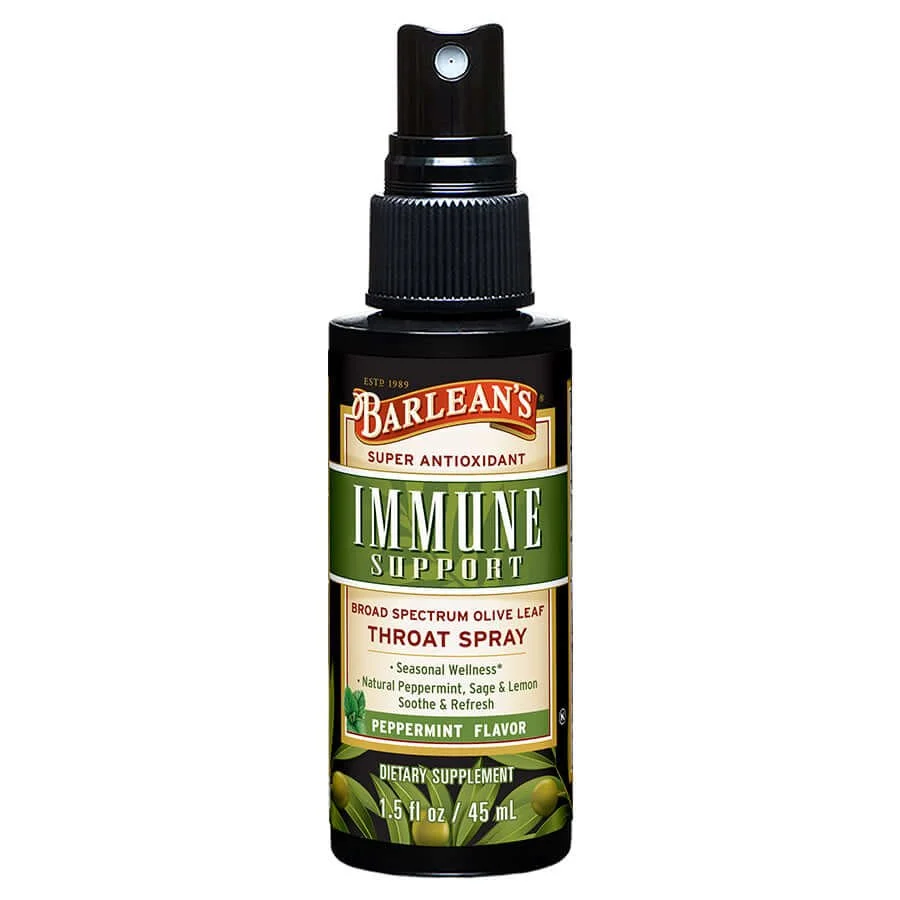
Barlean’s Peppermint Throat Spray
Low humidity and cold temperatures are associated with sore-throat symptoms. Cold, dry air can irritate the lining of your throat, leading to dryness, a scratching or burning sensation, more frequent coughing, and pain or discomfort when swallowing. These symptoms can be especially noticeable after spending long periods outside or in heated indoor air. Barlean’s Peppermint Throat Spray can help by coating and soothing irritated throat tissues while delivering the cooling comfort of peppermint directly where you need it most.
The Main Ingredient
Peppermint oil provides naturally occurring menthol, which activates cooling receptors in the mouth and throat. This cooling sensation may help calm irritation, lessen the urge to cough, and make a dry or scratchy throat feel more comfortable. Peppermint also contains plant compounds with antioxidant and anti-inflammatory properties.
Soothe Your Throat With Honey
Honey works a little differently. Its thick texture naturally coats and soothes irritated throat tissues, making it especially helpful when dry winter air leaves the throat feeling raw or scratchy.
Research published in Lung explains how honey may help reduce the sensation known as the urge to cough (UTC):
“Honey exerts its actions by increasing saliva production and swallowing and (thanks to its viscosity) by coating the peripheral sensory receptors that send irritative stimuli to the cortical neural network and thus interfering with the UTC.”
The researchers also highlight honey's benefits for children experiencing acute coughs:
“The available evidence shows that honey is better than placebo in reducing cough duration for children with acute cough. Honey also reduces cough severity, resolves bothersome cough, and improves sleep quality for both children and their parents to a greater extent than placebo, as recently evidenced by a meta-analysis.”

Small Bee, Big Effort
A single honey bee produces only about 1/12 of a teaspoon of honey in its entire lifetime.
Beyond its soothing texture, honey is a natural food containing polyphenols, flavonoids, enzymes, and other plant compounds with antioxidant and antimicrobial properties. These compounds help protect cells from oxidative stress, which is a form of everyday wear and tear on the body’s cells caused by unstable molecules called free radicals.
Furthermore, honey’s natural acidity, low water content, and production of small amounts of hydrogen peroxide can make it difficult for certain microorganisms to grow. These qualities help explain why honey has long been used as a soothing food for the throat and why it continues to be studied for its potential health-supporting properties. It is a great example of a traditional remedy which has increasingly found support in modern research.
Grab a tablespoon as needed to soothe a sore throat, or mix a tablespoon into a cup of peppermint tea to enjoy the benefits of both peppermint and honey.
NutriDyn Essential Multi
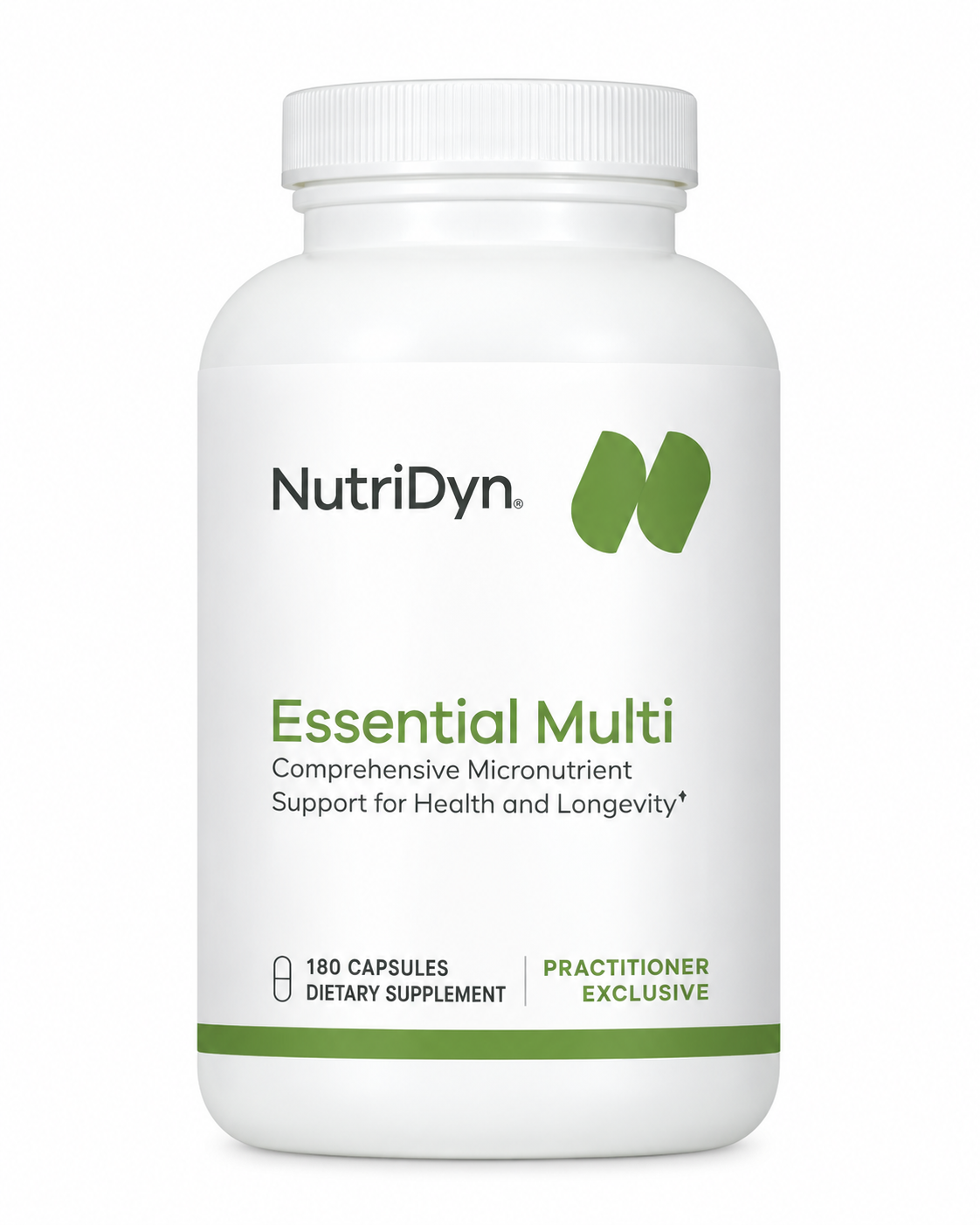
A conventional multivitamin is designed to help cover the nutritional bases by providing many of the essential vitamins and minerals your body needs each day. NutriDyn’s Essential Multi goes a step further by supplying higher amounts of several immune-relevant micronutrients, along with plant-based nutrients and antioxidants not typically found in a basic multivitamin.
Even though vitamins and minerals are only needed in small amounts, they play a role in an enormous number of processes throughout the body. Many act as cofactors, meaning they help enzymes carry out the chemical reactions our bodies depend on every day. For example, B vitamins help the body turn the food we eat into usable energy, while magnesium is involved in hundreds of enzyme reactions related to muscle function, nerve signaling, and energy production. Nutrients such as vitamin D and zinc also play important roles in the development and normal function of immune cells. When these nutrients are consistently lacking, some of those everyday processes may not work as efficiently as they should. When those nutrients are consistently lacking, normal physiology can be affected.
The goal of a multivitamin is not to “boost” the immune system into overdrive. It is to help provide the nutritional foundation the body needs for normal immune resilience, healthy immune cell function, and the everyday processes which keep the system working as it should.
Covering The Nutritional Bases
With key nutrients like vitamins A, C, D, B6, B12, folate, zinc, selenium, and magnesium, plus plant-based antioxidants from blueberry, grape seed, green tea, pomegranate, citrus, rosemary, lycopene, lutein, and resveratrol, this supplement provides broad nutritional support to help your body function at its best.
Two Simple Grocery Store Picks for Seasonal Support
Blueberries
Blueberries are packed with natural plant nutrients which help protect your cells from everyday stress. They also support the body’s normal immune response, making them an easy food to add to breakfast in yogurt, oatmeal, or smoothies. Grab a handful and give your body a nutritious boost.
Green Tea
Green tea contains natural plant compounds which protect cells and support normal immune function. It’s also warm and soothing, which can feel especially good during cold and dry winter months. For an easy cold-weather option, add a spoonful of honey to a warm cup of green tea. The tea provides plant-based antioxidants, while the honey can help soothe a dry or irritated throat.

Tea Drinker’s Tip
Steep green tea for only 2-3 minutes in hot water (160-180°) to avoid the tea becoming bitter.
Add Re-Lyte ElectroLyte Powder to your water
Hydration can be easy to overlook, especially in the winter when we tend to sweat less, but your skin, cells, muscles, nerves, and immune system all rely on proper fluid balance to work normally. Re-Lyte Immunity Electrolyte Powder combines water-friendly electrolytes like sodium, chloride, potassium, and magnesium with ginger, elderberry, turmeric, and key immune-support nutrients.

Sodium: not Just “Salt”
It’s an essential mineral your body needs to stay alive. Research shows sodium helps control fluid balance, allows nerves and muscles to fire properly, and helps move nutrients like glucose and amino acids into cells. Without enough sodium, normal hydration, cell function, muscle activity, and nerve signaling cannot work properly.
Sodium and chloride help your body hold onto and properly distribute the fluids you drink instead of simply passing them through, helping support normal hydration throughout the body. This fluid balance matters for healthy skin and mucous membranes, normal cell function, and the many chemical reactions your body depends on every day.
Want To Get Electrolytes From Food Instead?
You can get a similar mix of hydration, electrolytes, and plant nutrients from everyday foods. A warm bowl of broth or soup provides fluid, sodium, and chloride, while foods like bananas, potatoes, yogurt, avocado, and leafy greens add potassium and magnesium. Ginger tea is an easy way to get ginger, turmeric can be added to soups or warm drinks. Add some citrus, kiwi, or strawberries for vitamin C, and you have a simple food-first way to support hydration and nutrition during the classic cold and flu season.

A Warming Ginger & Turmeric Chicken Soup
This recipe is adapted from Chicken and Rice Soup with Ginger and Turmeric by Alexa Weibel, originally published in The New York Times Cooking.
From Our Kitchen To Yours
In a large soup pot, heat 2 tbsp avocado oil over medium-low heat and add the whites of 1 bunch finely sliced green onions (save the greens for garnish). Then add 3 tbsp grated fresh ginger*, 5 cloves minced garlic, 4 tsp ground coriander, and 1 tbsp ground turmeric. Season with salt and pepper to taste and stir the aromatics until soft and fragrant, about 5 minutes.
Add 3 quarts chicken stock to the pot with 2 tsp salt and bring to a boil over high heat. Trim the ends off 3 baby bok choy or 1 large bok choy, then separate the leafy tops from the white stems. Chop the leaves and stems into ½ inch pieces but keep them separated: they’ll go in the pot at different times.
Once the stock is boiling, reduce the heat to medium-low again. Add 2-3 pounds chicken - use your favorite cuts. If your chicken is bone-in, add closer to 3-4 pounds. Put the pieces in whole: you’ll take them out and shred them once cooked.
Cover the pot and let simmer for 20-25 minutes until the chicken is fully cooked. Make sure your stock is simmering, not boiling, to keep the chicken tender. Remove the cooked chicken from the pot and let cool before shredding. Short on time? Skip cooking the chicken and use a store-bought rotisserie chicken instead. You'll need approximately 3 cups of shredded meat.
Stir the shredded chicken and bok choy stems into the soup and allow to simmer for about 3 minutes, then add the leafy bok choy tops. Taste and season with additional salt or pepper, if needed.
Serve the soup over cooked rice and garnish with the thinly sliced greens of the green onion.
*Kitchen Tip: Make your life easier and keep fresh ginger in the freezer. Easily grate from frozen using a fine grater or zester.
Your Fall & Winter game Plan
Supporting your body doesn’t have to be complicated. Soothe a dry or irritated throat with Barlean’s Peppermint Throat Spray, help fill common nutritional gaps with NutriDyn Essential Multi, and stay well hydrated with Re-Lyte Immunity for electrolytes and added seasonal support.
Keeping a few simple items in your pantry or in your car can make it easier to support your body through the colder months. We’re calling these supplements our “Immunity Bundle,” so stop in at Belville Studio to purchase all three products at a 10% discount or ask us any follow-up questions.
But there’s one more important takeaway from this article: supplements are only part of the picture.
Alongside the three products we highlighted, we also brought food into the conversation because good nutrition still starts with what you eat. Vitamins and supplements can help fill gaps, but they are not a substitute for a balanced diet.
Foods like blueberries, green tea, honey, broth, ginger, turmeric, fruits, vegetables, and other whole foods provide nutrients your body can use every day. They can support your energy, hydration, and overall health while making your routine a lot more enjoyable.
The goal is not to choose between food and supplements. It is to use both wisely to give your body the support it needs throughout the colder months.
In good health,
Dr. Joshua & Micaela Belville
